
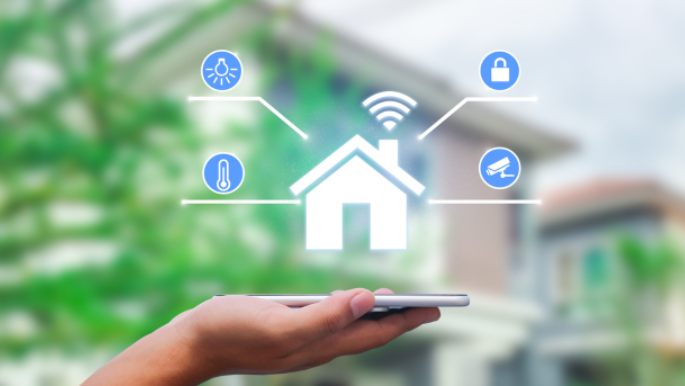
Smart sensors operate through a combination of various sensor types, including temperature, pressure, and motion sensors. These devices gather environmental data and enhance signal accuracy through conditioning. The processed information yields valuable insights, which can inform decisions and actions. This technology plays a crucial role in enhancing autonomy and control. Understanding the components and functions of smart sensors reveals their significant influence across multiple sectors, prompting a closer examination of their applications and societal impact.
The Components of Smart Sensors
Smart sensors are intricate devices composed of several key components that work together to gather and process data from their environment.
These components include various sensor types, such as temperature, pressure, and motion sensors, each utilizing advanced sensor technologies.
This synergy allows smart sensors to detect changes and provide accurate information, empowering users to make informed decisions and fostering a sense of autonomy.
Data Collection and Processing
Collecting and processing data are fundamental functions of smart sensors, enabling them to interpret environmental changes effectively.
The data acquisition process involves capturing various signals from the environment. Subsequently, signal conditioning enhances these signals, ensuring accuracy and reliability.
This refined data allows smart sensors to provide meaningful insights, driving informed decision-making and fostering an environment where individuals can experience greater freedom and control over their surroundings.
Applications and Impact on Society
The refined data generated by smart sensors finds diverse applications across various sectors, significantly shaping modern society.
In smart cities, sensors optimize traffic management and energy consumption, enhancing urban living.
In healthcare monitoring, they enable real-time tracking of patient vitals, improving treatment outcomes.
These advancements not only promote efficiency but also empower individuals, fostering a more connected and responsive environment.
Conclusion
In conclusion, smart sensors play a crucial role in modern technology by harnessing various sensor types to gather and process data, ultimately enhancing decision-making and control over our environments. Notably, a study found that the global smart sensor market is projected to reach $60 billion by 2025, highlighting their growing significance across industries. As these sensors become increasingly integral to everyday life, their applications will continue to shape advancements in automation and efficiency.