
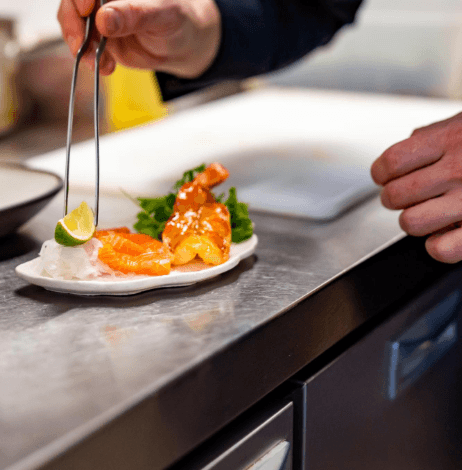
Many people begin cooking at home with a simple goal: preparing meals that are affordable, enjoyable, and convenient. Over time, however, cooking often becomes something more meaningful. It evolves into a valuable life skill that encourages creativity, self-reliance, and a deeper appreciation for ingredients. Developing confidence in the kitchen allows home cooks to move beyond strict recipes and make informed decisions based on experience and observation.
One of the biggest differences between beginner and experienced cooks is their ability to recognize what food is telling them during preparation. Experienced cooks rely on visual cues, texture changes, aroma development, and timing adjustments to guide their decisions. These observations help them adapt to different ingredients and cooking conditions while maintaining consistent results.
For home cooks hoping to learn how to cook seafood properly, observation becomes especially important. Seafood can change rapidly once exposed to heat, making timing a critical factor. A difference of only a few minutes may significantly affect moisture, texture, and flavor. Learning how ingredients respond during cooking helps reduce uncertainty and creates a stronger sense of control in the kitchen.
Many people feel intimidated by seafood because it appears less forgiving than other proteins. Concerns about overcooking, undercooking, or wasting expensive ingredients often discourage experimentation. Fortunately, these concerns become easier to manage as knowledge and experience increase. Developing awareness of ingredient behavior allows cooks to approach seafood with greater confidence and consistency.
The process of improving kitchen skills begins with understanding that recipes are guides rather than guarantees. Even carefully tested instructions may produce different outcomes depending on equipment, ingredient size, and environmental conditions. Observation bridges this gap by providing real-time information that supports better decision-making.
The Value of Paying Attention
Attention is one of the most powerful tools available to any cook. Rather than focusing exclusively on timers, attentive cooks evaluate ingredients throughout the cooking process. They notice changes in appearance, monitor texture development, and respond to subtle signs that indicate progress.
Visual cues often provide the first indication that an ingredient is changing. Color shifts, surface browning, and alterations in opacity can reveal important information about readiness. These signals help cooks determine whether adjustments are necessary and encourage a more active role in meal preparation.
Texture offers another valuable source of information. Ingredients frequently become firmer as cooking progresses, providing clues about their condition. Learning to recognize these changes helps cooks decide whether additional cooking time is needed or whether it is time to remove food from heat.
Aroma should not be overlooked either. Pleasant scents often signal flavor development and can help cooks gauge progress. Combining visual, textural, and aromatic observations creates a more complete understanding of what is happening during preparation.
Building Better Habits Before Cooking
Success in the kitchen often begins long before heat is applied. Effective preparation reduces stress and improves efficiency throughout the cooking process. Organizing ingredients, measuring seasonings, and arranging tools in advance creates a smoother workflow and allows cooks to focus on execution.
Proper ingredient preparation contributes to more predictable outcomes. Uniform portions cook more evenly, making it easier to achieve consistency. Small details such as drying surfaces before cooking or trimming ingredients carefully can significantly influence results.
Storage practices also play an important role. Fresh ingredients retain their quality longer when handled correctly, helping preserve flavor and texture. Understanding storage basics allows cooks to maximize ingredient potential while minimizing waste.
Maintaining a clean workspace improves concentration and efficiency. A clutter-free environment reduces distractions and makes it easier to monitor cooking progress. This organization supports better observation and encourages a calmer cooking experience.
Developing Confidence Through Experience
Confidence develops gradually through repetition and practice. Every meal provides an opportunity to observe ingredient behavior, refine techniques, and strengthen decision-making skills. Over time, repeated exposure helps transform uncertainty into familiarity.
Keeping notes can be surprisingly beneficial. Recording observations about cooking times, temperatures, and outcomes creates a personalized resource that supports future improvement. These records help identify successful approaches and reveal patterns that may otherwise go unnoticed.
Patience is another essential component of growth. Many cooking mistakes occur because individuals rush through preparation or fail to monitor ingredients carefully. Slowing down and paying attention often leads to better outcomes and a deeper understanding of cooking fundamentals.
People who want to learn how to cook different seafood properly frequently discover that practical experience is their greatest teacher. Observing ingredients, making adjustments, and reflecting on results creates knowledge that extends far beyond any single recipe. This process builds transferable skills that improve performance across a wide range of cooking situations.
Experience also encourages adaptability. Different ingredients, equipment, and conditions require flexibility. The ability to respond thoughtfully rather than react automatically is one of the clearest signs of growing culinary confidence.
See also: How Technology Helps Healthcare Workers
Making Meals More Rewarding
Improved kitchen awareness enhances more than technical results. It also makes cooking more enjoyable. When cooks understand what is happening during preparation, they feel more engaged and invested in the process.
Better observation often leads to improved presentation as well. Properly prepared ingredients retain more appealing colors and textures, creating meals that look as good as they taste. These visual improvements contribute to a more satisfying dining experience.
Sharing meals with family and friends further increases the rewards of cooking. Positive feedback, meaningful conversations, and shared enjoyment reinforce the value of continued learning. Cooking becomes a source of connection as well as nourishment.
By focusing on observation, preparation, and patience, home cooks can steadily strengthen their kitchen skills. These habits create a foundation for long-term growth and help transform everyday meal preparation into a rewarding creative practice. Over time, stronger instincts lead to greater confidence, more consistent results, and a deeper appreciation for the process of preparing delicious food at home with care, attention, purpose, and lasting satisfaction.