
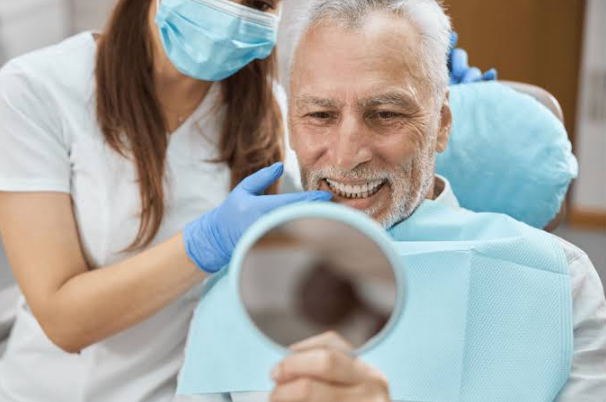
Most people have a general idea that veneers can transform a smile, but very few understand what actually happens between the first consultation and the final reveal. The process involves real tradeoffs, real preparation, and decisions that are largely irreversible. Before committing to anything, it helps to understand exactly what you are signing up for.
This article walks through how veneers work, what the placement process looks like step by step, how different veneer types compare, and what realistic longevity looks like with proper care. If you are weighing whether veneers are right for your situation, this is a useful place to start.
What Veneers Actually Do (and Do Not Do)
A dental veneer is a thin shell, typically made from porcelain or composite resin, that is bonded to the front surface of a tooth. It changes the appearance of that tooth in terms of color, shape, size, or texture. What it does not do is fix structural damage, treat decay, or address bite problems. Veneers are a cosmetic solution, and they work best when the teeth underneath are fundamentally healthy.
Candidates who tend to get the best results are those with teeth that are discolored beyond what whitening can correct, chipped or slightly worn but still intact, mildly misaligned or uneven in shape, or smaller than average with noticeable gaps. Veneers are not a substitute for orthodontic treatment when significant alignment issues are present, and they are not appropriate when there is active gum disease or substantial enamel loss.
Porcelain vs. Composite: How the Main Types Compare
The two most common veneer materials each have distinct characteristics. Understanding the differences helps set realistic expectations around cost, appearance, durability, and process.
| Factor | Porcelain Veneers | Composite Resin Veneers |
| Appearance | Highly lifelike, light-reflecting quality similar to natural enamel | Good appearance, slightly less translucent than porcelain |
| Durability | 10 to 25 years with proper care | 5 to 7 years on average, prone to chipping |
| Stain resistance | High; porcelain resists staining well | Lower; composite can discolor over time |
| Tooth preparation | Requires removal of a small amount of enamel | Minimal to no enamel removal in some cases |
| Number of visits | Typically 2 to 3 visits | Often completed in a single visit |
| Cost range (per tooth) | Higher upfront cost | Lower upfront cost |
| Reversibility | Generally irreversible due to enamel removal | More reversible depending on preparation used |
There is also a category sometimes marketed as ‘no-prep’ or ‘minimal-prep’ veneers, which are ultra-thin shells requiring little or no enamel reduction. These can be suitable for specific cases, but they are not universally applicable. A thicker underlying tooth or certain bite patterns can make this option impractical.
The Placement Process, Step by Step
For porcelain veneers, the process typically spans two to three appointments over a few weeks. Here is what that usually looks like.
Consultation and Planning
The first appointment is diagnostic. The dentist examines the teeth, takes X-rays, discusses the patient’s goals, and determines whether veneers are appropriate. Some practices use digital smile design software to show a simulated preview of the outcome. This is also when the number of veneers, shade selection, and shape preferences are discussed. Patients should feel comfortable asking detailed questions at this stage, because the decisions made here shape everything that follows.
Tooth Preparation and Temporaries
At the preparation appointment, the dentist removes a thin layer of enamel from the front surface of each tooth receiving a veneer. The amount removed is typically between 0.3 and 0.7 millimeters, roughly the thickness of the veneer itself. Local anesthesia is used, so discomfort during the procedure is minimal. Impressions or digital scans are then taken and sent to a dental laboratory. Temporary veneers are placed to protect the prepared teeth while the permanent ones are fabricated, which generally takes one to two weeks.
Bonding the Final Veneers
When the permanent veneers arrive from the lab, the temporaries are removed and each veneer is tried on before bonding to check fit, color, and shape. Minor adjustments can still be made at this point. Once both the dentist and patient are satisfied, the tooth surface is etched with a mild acid solution to create a strong bonding surface. A dental cement is applied, the veneer is placed, and a curing light hardens the bond almost immediately. The dentist checks the bite and polishes the final result. Most patients leave that appointment with a noticeably transformed smile.
How Long Do Veneers Last, and What Affects Their Lifespan
Porcelain veneers can last anywhere from 10 to 25 years, depending heavily on how they are maintained. That is a wide range, and the difference between the lower and upper end often comes down to a few consistent habits.
- Grinding or clenching teeth (bruxism) is one of the most common causes of veneer failure. A custom night guard can protect them significantly.
- Biting hard objects such as ice, fingernails, or pen caps puts stress on the bonding interface and can cause chips or detachment.
- Consuming highly pigmented foods and beverages does not stain the porcelain itself, but it can stain the cement at the margins over time.
- Skipping regular dental cleanings allows plaque buildup at the gum line, which can lead to gum recession that exposes the veneer margin.
- Using abrasive toothpaste can dull the surface finish of veneers. Non-abrasive paste is generally recommended.
Composite veneers require more frequent replacement and are more susceptible to staining and surface wear. They do, however, allow for easier repairs when chips occur, since composite material can often be added without replacing the entire veneer.
What the Research Says About Patient Satisfaction
Long-term clinical data on veneers is generally favorable. A review published in the Journal of Prosthetic Dentistry found that porcelain laminate veneers had a survival rate of approximately 94 percent at five years and around 83 percent at ten years. Failure modes were most commonly chipping, debonding, or fracture, with color mismatch and secondary decay being less frequent causes. These figures reflect outcomes across a broad range of patients and practitioners, so individual results depend on the quality of the initial placement and the patient’s daily habits.
Patient satisfaction studies consistently report high levels of happiness with the cosmetic outcome. The psychological impact of an improved smile is well documented in dental literature, with many patients reporting increased self-confidence and social comfort following treatment. That said, satisfaction also depends heavily on setting realistic expectations before the procedure, which makes the quality of the initial consultation particularly important.
Choosing a Provider: What Actually Matters
Veneers are a technically demanding procedure. The quality of the outcome depends on the dentist’s experience with cosmetic cases, the quality of the dental laboratory producing the restorations, and how carefully the shade and shape are planned. These variables matter far more than proximity or price.
When evaluating a provider, it is worth asking to see before and after photos of actual patients, not stock images. Asking about the lab the practice works with is also reasonable. Reputable cosmetic practices tend to use high-quality ceramist labs rather than budget alternatives, and that choice significantly affects how natural the final veneers look. If you are in Southern California and researching options, consulting with a dentist for veneers in Orange County who has a documented portfolio of cosmetic cases gives you a concrete basis for comparison before committing.
Cost is a practical consideration, but it should not be the primary filter. Because traditional porcelain veneers involve irreversible enamel removal, there is no undoing a poorly done set. Paying more upfront for a skilled provider often costs less in the long run than correcting problems caused by substandard work.
Common Questions Worth Addressing Before Your Consultation
- Will veneers hurt? Tooth preparation involves local anesthesia, so the procedure itself is generally painless. Mild sensitivity after preparation is common while wearing temporaries but usually resolves after bonding.
- Can veneers be whitened? No. Porcelain does not respond to bleaching agents. If you plan to whiten your natural teeth, do so before veneer shade selection so the veneers can be matched to your desired final color.
- What happens if a veneer chips or falls off? Composite veneers can often be repaired chairside. Porcelain veneers typically require replacement if significantly damaged, which is another reason proper care matters.
- Are veneers covered by dental insurance? In most cases, no. Insurance generally classifies veneers as cosmetic, though some plans may contribute if there is a documented restorative component.
- Can anyone get veneers? Not always. Active gum disease, insufficient enamel, severe misalignment, and heavy bruxism without a management plan are all reasons a dentist might recommend another approach first.
Veneers can produce genuinely dramatic results when they are the right solution for the right patient, placed by a skilled provider, and cared for consistently. The key is going in with accurate information rather than assumptions shaped by social media transformations or marketing. Take time at the consultation to ask specific questions, review actual case photos, and understand the full scope of what preparation and maintenance will look like for your situation. The smile is worth getting right.