
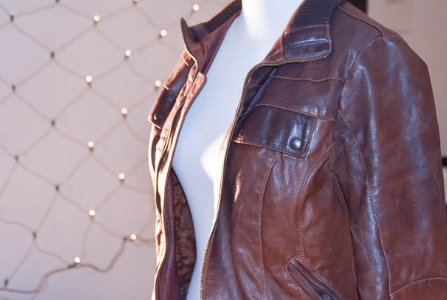
Buy a leather jacket, and you’ve bought something that will look different in three years. That’s part of the appeal, but it’s also a source of worry. Which marks are charming, which are damage, and how does a hood change the story?
What Patina Really Is
Patina is the gradual change in surface colour, sheen, and texture that develops through use, light, skin oils, and weather. Done naturally, it can deepen colour and give the hide a lived-in character. It isn’t the same as cracking, peeling, or dryness, which signal neglect.
Different leathers age differently. Full-grain hides, which keep the natural surface, tend to show patina most visibly. Heavily coated surfaces change less, which some people prefer for a uniform look.
Where a Hooded Jacket Wears First
A hood adds stress points that a standard collar doesn’t have.
The Neck Seam
Where the hood meets the collar, the leather folds whenever you put the hood up or down. Expect gentle creasing here first. It’s normal, though regular conditioning keeps it from stiffening.
The Back of the Collar
Skin oils, hair products, and sweat touch this area constantly. It may darken or develop a slight sheen over time. That’s usually harmless patina, but product buildup can stain, so wipe it down occasionally.
The Drawstring Channels
If the hood has drawstrings, the eyelets and surrounding leather take repeated tension. Watch for loosening stitches or stretched holes.
Elbows and Cuffs
These flex and rub against desks, steering wheels, and bag straps. They usually develop the softest, most characterful creasing.
A Maintenance Rhythm That Helps Leather Age Well
You don’t need an elaborate routine.
- Monthly: Wipe the surface with a soft, dry cloth to remove dust and sweat residue.
- Twice a year: Apply leather conditioner in thin layers, working it in with a clean cloth.
- After rain: Let the jacket dry naturally, then condition if the hide feels tight.
- Each season: Check seams, zips, and hood attachments for loose threads.
Avoid over-conditioning. Too much product can darken leather unevenly and leave it greasy. Test anything new on an inside hem first.
Sunlight and Storage
Strong sunlight fades leather unevenly, particularly across the shoulders. A jacket left over a car seat or window chair may develop lighter patches. Store it on a wide, shaped hanger in a cool, ventilated space, and avoid plastic covers that trap moisture. A breathable garment bag works better.
Hoods can sag under their own weight. Let the hood lie naturally down the back and avoid stuffing it with items that deform it.
Character vs. Damage
It helps to separate cosmetic changes from structural ones.
Normal and often desirable:
- Soft creasing at joints
- Gradual darkening in handled areas
- Slight variation in sheen
Worth addressing:
- Surface cracking or flaking
- Persistent stiffness after conditioning
- Loose or broken stitching
- Lingering odours or mould spots
If you spot anything on the second list, a specialist leather cleaner or repair service can usually advise before it worsens.
Choosing Leather With Ageing in Mind
If you love a rugged, evolving look, favour natural, less-treated finishes. If you’d rather your jacket look consistent for years, choose a more uniform, finished surface. Neither is better; they suit different temperaments.
When comparing, it helps to see how finishes and linings differ across a range. A leather jacket with hood in a smooth finish will age very differently from one in a rugged, oiled hide, and viewing both side by side makes that obvious.
Patience Pays
The best-looking worn leather rarely comes from rushing. It comes from consistent but light care, regular wear, and a bit of tolerance for change. Photograph your jacket on day one, then again a year later. The comparison is often encouraging.
If you’re shopping with ageing in mind, a retailer like The Leather Coats gives you a wide enough selection to weigh finishes against how you actually live and dress.
Conclusion
Ageing is a feature of leather, not a flaw. Understand where hooded jackets take extra wear, follow a simple care rhythm, and learn the difference between character and damage. Then the creases around the collar will read as history instead of trouble.