Choosing between artificial grass and natural sod is one of those decisions that seems simple on the surface but gets complicated fast. Water bills, weekend maintenance, pet traffic, local climate, HOA rules, upfront cost, long-term value. Every factor pulls in a different direction. This article breaks down what each option actually involves so you can make a choice based on your specific yard, your specific habits, and your specific budget.
The Real Cost Breakdown: Upfront vs. Long-Term
Most comparisons lead with installation price, but that number alone is misleading. Natural sod typically costs between $0.87 and $1.76 per square foot for the material itself, according to HomeAdvisor. Add professional installation, grading, and soil prep, and total project costs generally land between $1 and $2 per square foot. Artificial turf installation, on the other hand, runs significantly higher upfront, usually between $5 and $20 per square foot installed, depending on the product grade and regional labor rates.
That gap looks dramatic. But the 10-year picture changes things considerably. Natural grass requires fertilizer, weed control, reseeding, irrigation system maintenance, and regular mowing. The Lawn Institute estimates that American homeowners spend an average of $503 per year maintaining a natural lawn. Over a decade, that adds up to more than $5,000 in recurring costs, before accounting for drought-related reseeding or pest damage repair. Artificial turf has minimal recurring costs once it is installed. Occasional rinsing, infill replenishment every few years, and the rare repair are typically all that is required.
| Cost Factor | Natural Sod | Artificial Turf |
| Typical installation cost (per sq ft) | $1 to $2 | $5 to $20 |
| Annual maintenance cost (avg) | $300 to $700 | $50 to $150 |
| Water usage (per sq ft annually) | High, varies by climate | Near zero |
| Expected lifespan | Ongoing with care | 15 to 25 years |
| Replacement/repair frequency | Patches, reseeding periodically | Rare, localized repairs |
Water Consumption and Drought Considerations
Water usage is where artificial turf makes the most obvious argument for itself, especially in arid or semi-arid regions. The EPA estimates that landscape irrigation accounts for nearly one-third of all residential water use in the United States, totaling nearly 9 billion gallons per day. A 1,000-square-foot natural lawn in a warm, dry climate can require between 30,000 and 60,000 gallons of water per year to stay green.
In places like Southern California, the American Southwest, and parts of Texas, drought restrictions are increasingly common. During mandatory water cutbacks, natural lawns are often the first casualty. They brown quickly, and restoring them after a drought can require significant reseeding and soil amendment. Artificial turf sidesteps this entirely. It holds its color and texture regardless of rainfall. For homeowners in water-restricted areas, this is not a minor convenience. It can represent thousands of dollars in avoided penalties and restoration costs over the life of the lawn.
How Each Surface Performs Under Foot Traffic and Pet Use
Both surfaces handle moderate foot traffic reasonably well, but they each have distinct failure modes under heavy use. Natural grass can handle foot traffic during its active growing season, but high-traffic areas, paths, play zones, and spots where dogs run the same routes repeatedly will show wear within weeks. Bare patches, compacted soil, and muddy ruts are common complaints for pet owners with natural lawns.
Artificial turf is purpose-built for consistent use. Most modern products are tested to handle 60,000 to 100,000 foot traffic cycles before showing significant wear. For families with kids and dogs, this durability is a genuine advantage. However, artificial turf does have a well-known heat issue. On a hot summer day, synthetic fibers can reach surface temperatures of 150 to 170 degrees Fahrenheit, according to research published by Penn State University. Natural grass stays considerably cooler through transpiration. If you live somewhere with intense summer heat and children or pets spend significant time outdoors during peak hours, this temperature difference is worth factoring in.
Pet Waste and Odor Management
Pet owners often ask specifically about urine and odor. With natural grass, pet waste breaks down relatively quickly through soil bacteria and rainfall. With artificial turf, liquids drain through the backing material, but odors can build up in the infill over time, especially in smaller yards with multiple dogs. Regular rinsing with water and periodic use of enzyme-based cleaners addresses this effectively. Some premium turf products now include antimicrobial infill materials specifically designed to reduce odor retention. This is worth asking about when comparing turf specifications.
Environmental Trade-Offs Worth Understanding
The environmental picture for both options is more nuanced than it first appears. Natural grass provides real ecological benefits. It supports soil microbiome health, absorbs carbon dioxide, provides habitat for insects and birds, and reduces heat island effects through transpiration. Healthy turf also filters stormwater runoff. These are genuine advantages that synthetic surfaces cannot replicate.
Artificial turf, however, eliminates the environmental cost of pesticides, herbicides, and synthetic fertilizers, all of which can leach into groundwater and harm local ecosystems. It also removes the need for gas-powered mowing, which the EPA notes can emit as much air pollution per hour as driving a car 45 miles. The end-of-life disposal of synthetic turf is a legitimate concern, as most products are not currently recyclable through standard municipal programs. A small but growing number of manufacturers are offering take-back programs, and recycled turf products are beginning to appear, though this part of the industry is still developing.
Climate and Region Matter More Than Most Guides Admit
Lawn advice that ignores geography is only partially useful. Natural grass thrives in climates with regular rainfall, mild temperatures, and defined growing seasons. The Pacific Northwest, the Midwest, and the Southeast all support natural lawns with relatively modest irrigation inputs. In these regions, the cost and effort of maintaining a natural lawn is genuinely manageable, and the ecological benefits are worth preserving.
Warmer, drier regions present a different reality. Homeowners in Southern California, Nevada, and Arizona often deal with persistent drought, water pricing tiers, and HOA pressure to reduce water-intensive landscaping. In these markets, artificial turf has become a mainstream choice rather than a niche product. Go Turf Artificial Grass & Pavers in Orange County is one example of a regional specialist that focuses specifically on these climate conditions, helping homeowners understand which turf products perform best given local temperatures, UV exposure, and drainage patterns.
Grass Type Compatibility by Region
- Cool-season grasses (Kentucky bluegrass, fescue, ryegrass): Best suited for the northern US, Pacific Northwest, and higher elevations. Go dormant in summer heat.
- Warm-season grasses (Bermuda, zoysia, St. Augustine): Perform well in the South and West but require significant irrigation in dry summers.
- Artificial turf: No climate limitations on performance, though surface heat is a concern in hot, sunny climates without shade coverage.
Installation Timelines and What to Expect
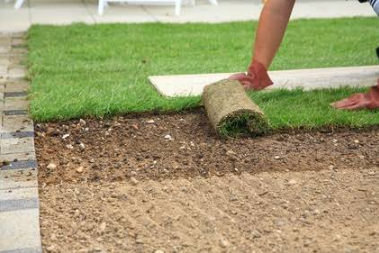
Natural sod can be installed relatively quickly. A professional crew can lay sod on a typical residential lawn in a single day. The grass is usable within two to three weeks once roots have established. The catch is that newly installed sod requires intensive watering for the first several weeks, sometimes twice daily, to survive. Timing also matters. Sod installed during a heat wave or drought without consistent watering will fail, and replacement adds to the overall cost.
Artificial turf installation is a more involved process. It typically requires removing existing vegetation, grading the base, compacting crushed aggregate to create proper drainage, and then laying and securing the turf itself. For a standard residential yard, this process usually takes two to three days. There is no establishment period. The yard is fully usable as soon as the crew finishes. This makes it a practical option for homeowners who want an immediate result without a waiting period.
Making the Decision That Actually Fits Your Life
Neither option is universally better. Natural grass is the right choice for homeowners in rainfall-sufficient climates who enjoy outdoor gardening, want ecological habitat, and are comfortable with the maintenance commitment. It rewards attention and care with a living, breathing outdoor space. Artificial turf is the right choice for homeowners in water-restricted climates, those with heavy foot traffic from kids or pets, people who travel frequently, and anyone who wants a consistently green yard without the recurring maintenance burden. The best approach is to honestly assess your climate, your budget over a 10-year horizon rather than just upfront costs, how you actually use your yard, and how much time you realistically want to spend on lawn care. Those four factors, taken together, usually point clearly in one direction.