
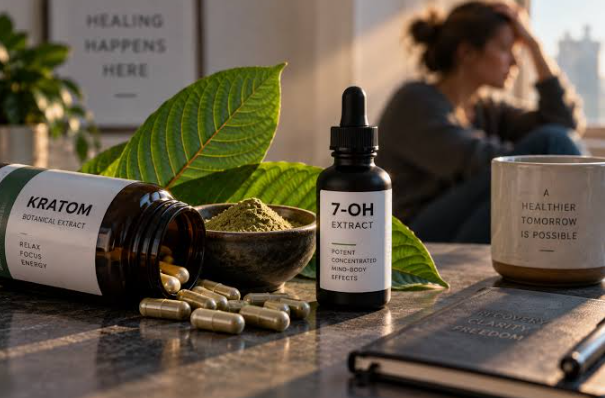
Walk into almost any gas station, smoke shop, or supplement store in the United States, and you will likely find kratom on the shelf. It sits in plain sight, packaged as a powder, capsule, or tea. For some people it feels like a harmless herbal supplement. For others, it becomes something far more complicated. Understanding what kratom actually does, how the body responds to it over time, and where the science currently stands can help anyone make a more informed decision, whether for themselves or someone they care about.
What Kratom Is and Where It Comes From
Kratom is the common name for Mitragyna speciosa, a tropical tree native to Southeast Asia, particularly Thailand, Malaysia, Indonesia, and Papua New Guinea. For centuries, workers in those regions chewed the leaves or brewed them into tea to combat fatigue during long days of manual labor. The plant contains dozens of active alkaloids, but two, mitragynine and 7-hydroxymitragynine, are primarily responsible for its psychoactive effects.
In the United States, kratom arrived in mainstream markets in the early 2000s and expanded rapidly. The American Kratom Association estimates that somewhere between 10 and 16 million Americans use kratom regularly, though precise figures are difficult to confirm given the largely unregulated nature of the market. It is not currently scheduled as a controlled substance at the federal level, though several states and municipalities have banned or restricted it.
How Kratom Affects the Brain and Body
The way kratom behaves in the body is unusually dose-dependent, which is part of what makes it both appealing and unpredictable. At low doses, the active alkaloids act more like stimulants. Users often describe increased alertness, sociability, and a reduction in fatigue. At higher doses, the same compounds bind to opioid receptors in the brain, producing sedation, pain relief, and euphoria that closely resembles the effects of traditional opioids.
Research published in Drug and Alcohol Dependence found that 7-hydroxymitragynine is considerably more potent than morphine at the mu-opioid receptor, even though it has a different chemical structure. This is a key reason why kratom’s effects are not as mild as its herbal label might suggest. The brain responds to it much the same way it responds to other opioid compounds, which carries real consequences for long-term users.
Short-Term Effects at a Glance
| Dose Level | Typical Effects | Onset Time |
| Low (1 to 5 grams) | Increased energy, focus, mild euphoria | 10 to 20 minutes |
| Moderate (5 to 10 grams) | Pain relief, sedation, mood elevation | 15 to 30 minutes |
| High (10+ grams) | Strong sedation, nausea, potential respiratory effects | 20 to 40 minutes |
It is worth noting that product potency varies significantly across brands and batches. Because kratom is not subject to FDA approval processes for supplements, there is no standardized alkaloid content. A dose that produces mild stimulation from one vendor may be far stronger from another, making dosing genuinely unpredictable.
Why People Use Kratom and What They Are Trying to Solve
The reasons people turn to kratom are varied and often deeply personal. Pain management is a frequent motivator, especially among people who have been unable to access prescription opioids or who are trying to avoid them. Others use it to manage anxiety or depression symptoms they feel are not adequately addressed through conventional treatment. A significant subset of users come to kratom specifically to reduce or stop using harder substances, including heroin and prescription painkillers.
A 2019 survey published in Drug and Alcohol Dependence, which collected data from over 2,700 kratom users, found that 91 percent reported using kratom to treat pain, and 67 percent said it improved their emotional well-being. However, the same study noted that a majority of respondents also reported experiencing withdrawal symptoms when they stopped using it, which points to a tension between the perceived benefits and the physical reality of regular use.
Common Reasons People Report Using Kratom
- Chronic pain management without prescription drugs
- Self-treatment of opioid withdrawal symptoms
- Anxiety and mood regulation
- Boosting energy and productivity
- Social or recreational use
- Sleep difficulties
Understanding the motivations matters because it shapes how health professionals and families respond to someone using kratom. A person managing untreated chronic pain is in a very different situation than someone using kratom recreationally on weekends. Both deserve accurate information, but the risks and the appropriate responses differ considerably.
The Real Risks of Regular Kratom Use
Regular kratom use carries a range of risks that are not always apparent when someone first starts. The most well-documented concern involves the development of physical dependence. Because kratom activates opioid receptors, the body adapts to its presence over time. When someone reduces or stops use, withdrawal symptoms can emerge, often within 12 to 24 hours of the last dose.
Those symptoms frequently include muscle aches, insomnia, irritability, nausea, sweating, and intense cravings. They resemble opioid withdrawal closely enough that researchers use overlapping frameworks to study and treat both. The progression from casual use to kratom dependency tends to happen gradually, often without the person recognizing it until they try to stop and find it far harder than expected.
Beyond dependence, there are other documented health concerns. Liver toxicity has been reported in case studies, though it appears relatively rare and may be linked to contaminants or adulterants in some products rather than kratom itself. Cardiovascular effects, including elevated heart rate and blood pressure, have been noted in some users. And because kratom interacts with the same liver enzymes responsible for processing many common medications, drug interactions are a genuine clinical concern.
Reported Adverse Effects by Category
- Physical: nausea, constipation, weight loss, sweating, elevated heart rate
- Psychological: mood swings, anxiety, irritability during withdrawal
- Neurological: dizziness, tremors in high-dose users
- Hepatic: rare cases of liver inflammation or toxicity
- Drug interactions: possible conflicts with antidepressants, blood thinners, and opioids
The FDA has issued multiple warnings about kratom and has linked it to dozens of deaths, though most of those cases involved polydrug use where kratom was one of several substances present. That context does not eliminate concern, but it does complicate the picture. Kratom alone appears to carry a lower risk of fatal overdose than classic opioids, though that risk is not zero, particularly when combined with other central nervous system depressants.
What the Research Landscape Actually Looks Like
Kratom research is genuinely in early stages. The National Institute on Drug Abuse has identified it as a substance of concern and has funded some preliminary studies, but randomized controlled trials in humans remain scarce. Much of what is known comes from case reports, animal studies, and survey data. That means confident blanket statements in either direction, whether from advocates who call it a miracle plant or from critics who call it as dangerous as heroin, often go further than the evidence supports.
What the available evidence does support is this: kratom is not a neutral substance. It acts on opioid receptors, it can cause physical dependence, and regular use over months or years changes how the brain functions. It may have therapeutic applications that future research bears out, particularly in pain management and addiction medicine. But those potential benefits do not erase the real risks that current users face, especially without medical supervision.
If You or Someone You Know Uses Kratom Regularly
One of the more useful things anyone can do is approach the subject without judgment. People who use kratom regularly are often doing so for reasons that make sense to them, frequently because something else in their life is not working, a chronic condition, inadequate mental health support, or a prior struggle with more dangerous substances. Shame does not move people toward healthier decisions; accurate information and accessible support do.
If regular use has become a concern, a good starting point is an honest conversation with a primary care physician or addiction medicine specialist. These professionals can assess physical health, review any medications for interactions, and help someone think through options without judgment. Stopping abruptly after extended daily use is not recommended, both because withdrawal can be physically uncomfortable and because medical supervision can make the process significantly safer.
Kratom sits in an unusual space: legal in most places, widely available, carrying genuine therapeutic appeal for some users, and also capable of creating serious physical dependence. The honest answer to most questions about it is that the full picture is still coming into focus. Staying informed, seeking professional input when use becomes problematic, and resisting oversimplified narratives in either direction is about as sound a stance as the current evidence allows.