
Most people who struggle with anxiety, depression, or other mental health conditions spend months, sometimes years, trying to figure out where to start. The options can feel overwhelming. Therapy, medication, lifestyle changes, support groups, online platforms. It is hard to know what is evidence-based and what is just noise. This article breaks down the major categories of mental health treatment, how they work, who they tend to help, and what the research actually says about outcomes.
Why Treatment Choice Matters More Than Most People Realize
Mental health is not a single condition with a single cure. It is a broad category covering dozens of distinct diagnoses, each with its own patterns, causes, and treatment responses. Depression alone has multiple subtypes, and what works well for one person may do very little for another. This is why the question ‘what is the best treatment for mental health?’ does not have a clean answer. The better question is: what is the right fit for this particular person, at this particular time?
According to the World Health Organization, roughly one in eight people globally lives with a mental health condition, yet treatment gaps remain enormous. In many high-income countries, fewer than half of people who need care ever receive it. Understanding the available options is one way to close that gap, at least on an individual level.
Psychotherapy: The Evidence-Based Foundation
Talk therapy is often the first recommendation clinicians make, and for good reason. Several forms of psychotherapy have been studied extensively and show strong, consistent results across a range of conditions. The key is matching the therapy type to the diagnosis.
Cognitive Behavioral Therapy (CBT)
CBT is probably the most widely researched psychological treatment in existence. It works by identifying the relationship between thoughts, feelings, and behaviors. A person learns to recognize distorted thinking patterns and gradually replace them with more accurate, balanced ones. CBT has strong evidence for depression, generalized anxiety disorder, panic disorder, social anxiety, OCD, PTSD, and eating disorders. The American Psychological Association lists it as a first-line treatment for most of these conditions.
Dialectical Behavior Therapy (DBT)
DBT was originally developed for borderline personality disorder, but clinicians now use it for a wider range of challenges involving emotional dysregulation, self-harm, and chronic suicidal ideation. It combines cognitive-behavioral techniques with mindfulness and acceptance strategies. Skills training is central to DBT, and it is typically delivered in both individual sessions and group formats.
EMDR and Trauma-Focused Approaches
Eye Movement Desensitization and Reprocessing, commonly called EMDR, has become one of the most recognized treatments for PTSD. The approach involves recalling traumatic memories while following a therapist’s guided eye movements or other bilateral stimulation. Research published in the Journal of EMDR Practice and Research, and endorsed by the WHO, supports its effectiveness for trauma-related conditions. It tends to work faster than traditional talk therapy for PTSD in many patients.
Medication: What It Does and Does Not Do
Psychiatric medication is not about changing who someone is. It is about reducing the neurochemical interference that makes thinking clearly, feeling stable, or engaging in therapy much harder than it needs to be. Many people find that medication creates enough relief to make other interventions, like therapy or lifestyle changes, far more accessible.
| Medication Class | Common Uses | Examples |
| SSRIs | Depression, anxiety, OCD, PTSD | Sertraline, Fluoxetine, Escitalopram |
| SNRIs | Depression, generalized anxiety, chronic pain | Venlafaxine, Duloxetine |
| Mood Stabilizers | Bipolar disorder, mood dysregulation | Lithium, Lamotrigine, Valproate |
| Atypical Antipsychotics | Schizophrenia, bipolar disorder, adjunctive depression | Quetiapine, Aripiprazole, Risperidone |
| Buspirone | Generalized anxiety disorder | Buspirone (generic only in most markets) |
| Benzodiazepines | Short-term anxiety, panic (limited long-term use) | Lorazepam, Clonazepam, Diazepam |
One common misconception is that antidepressants are addictive in the same way that substances of abuse are. They are not. However, some medications, particularly benzodiazepines, do carry real risks of dependence when used long-term without close monitoring. Any decision about psychiatric medication should involve a licensed prescriber who reviews the full clinical picture, including medical history and current medications.
Integrated and Complementary Approaches
A large body of research now supports treating mental health conditions through multiple channels simultaneously rather than relying on any single intervention. For moderate to severe depression, for example, combining CBT with antidepressant medication produces better outcomes than either approach alone, according to a meta-analysis published in JAMA Psychiatry.
Beyond traditional treatment, several lifestyle-based interventions have earned genuine scientific credibility. These are not replacements for professional care, but they can meaningfully support recovery and long-term stability.
- Regular aerobic exercise: A review in Frontiers in Psychiatry found that 30 to 60 minutes of moderate exercise three to five times per week reduces depressive symptoms comparably to antidepressant medication in some populations.
- Sleep hygiene: Disrupted sleep is both a symptom and a driver of many mental health conditions. Structured sleep interventions, including CBT for Insomnia (CBT-I), are now considered first-line treatment for chronic insomnia.
- Social connection: Chronic loneliness has measurable effects on mental health outcomes. Research from Brigham Young University found that social isolation increases risk of early mortality by roughly 26 percent.
- Mindfulness-based practices: Mindfulness-Based Stress Reduction (MBSR) and Mindfulness-Based Cognitive Therapy (MBCT) have solid evidence for preventing depressive relapse and reducing anxiety symptoms.
- Nutritional psychiatry: Emerging research, including a 2017 randomized controlled trial published in BMC Medicine, suggests that dietary improvements can significantly reduce depression severity.
How to Find the Right Provider and Setting
The type of professional you see depends on what kind of support you need. Psychiatrists are medical doctors who can prescribe medication and often handle more complex or treatment-resistant cases. Psychologists hold doctoral degrees and specialize in assessment and therapy. Licensed professional counselors and licensed clinical social workers provide therapy across a broad range of conditions. Depending on the state or country, scope of practice varies, so it is worth understanding what a provider can and cannot offer before booking an appointment.
For people in Texas looking for a starting point, www.lonestarmentalhealth.com provides information about outpatient mental health services and can help clarify what types of care are available for various conditions.
The setting of treatment also matters. Outpatient care, where a person attends appointments and otherwise continues their daily life, is appropriate for most conditions at mild to moderate severity. Intensive Outpatient Programs (IOP) offer more structured support, typically several hours per day, a few days per week, without requiring hospitalization. Partial Hospitalization Programs (PHP) provide even more intensive structured time while still allowing the person to sleep at home. Inpatient or residential care is reserved for situations where safety cannot be maintained in a less structured setting.
Questions Worth Asking Before Starting Treatment
Starting mental health treatment can feel like stepping into unfamiliar territory. Asking the right questions early can make the process feel much less uncertain. A good provider will welcome these kinds of questions rather than brush them aside.
- What is the evidence base for the treatment you are recommending for my specific diagnosis?
- How long does treatment typically take, and how will we measure progress?
- What happens if the first approach does not seem to be working?
- Are there any risks, side effects, or considerations I should know about before starting?
- How does this treatment interact with anything else I am currently doing, including medications, supplements, or other therapies?
- What can I do between sessions or on my own to support what we are working on together?
Treatment-Resistant Conditions: When Standard Approaches Fall Short
Not everyone responds to first-line treatments, and that can be deeply discouraging. Treatment-resistant depression, defined generally as depression that has not responded to at least two adequate trials of antidepressant medication, affects an estimated 30 percent of people with major depressive disorder, according to data cited by the National Institute of Mental Health. For these individuals, other options exist.
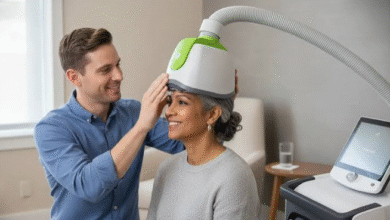
Electroconvulsive therapy (ECT), despite its outdated stigma, is a highly effective and carefully monitored medical procedure for severe, treatment-resistant depression and certain other conditions. Transcranial magnetic stimulation (TMS) is a non-invasive brain stimulation technique with growing evidence for depression. Ketamine infusions and the related FDA-approved nasal spray esketamine (Spravato) have shown rapid antidepressant effects, sometimes within hours, and are now available at specialized clinics. These are not experimental novelties. They are licensed, regulated treatments used by mainstream psychiatry.
Mental health treatment has changed substantially over the past two decades. The range of evidence-based options is broader than most people assume, and the stigma that once kept people from seeking help is slowly receding. What matters most is finding an approach grounded in evidence, tailored to the individual, and delivered by a qualified professional who takes the time to listen. The path forward is rarely linear, but with accurate information and the right support, meaningful improvement is genuinely achievable for most people.